



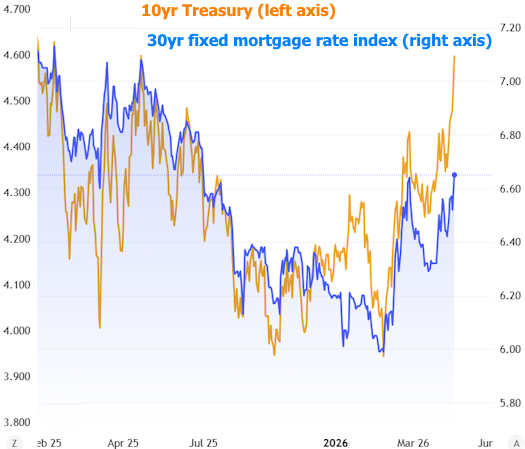
Ask any parent. A lot can change in 9 months. Same story for mortgage rates. During that time, the average 30yr fixed rate dropped 0.65% only to move back up just as much as of the end of the week. This week alone accounted for a 0.23% increase for the average lender as hope quickly faded for a quick end to the Iran war.
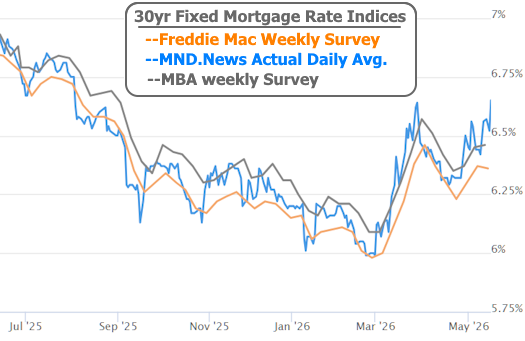
The war itself has been responsible for essentially all of the 0.65% jump. Here's why:
- Rates are based on bonds
- Bonds hate inflation
- The higher fuel prices associated with the war imply more inflation
- Thus, higher inflation = higher rates, all else equal
In addition, the war implies additional funding needs for the government. The issuance of more debt is a key funding source for the government and higher debt issuance begets higher rates, all else equal.
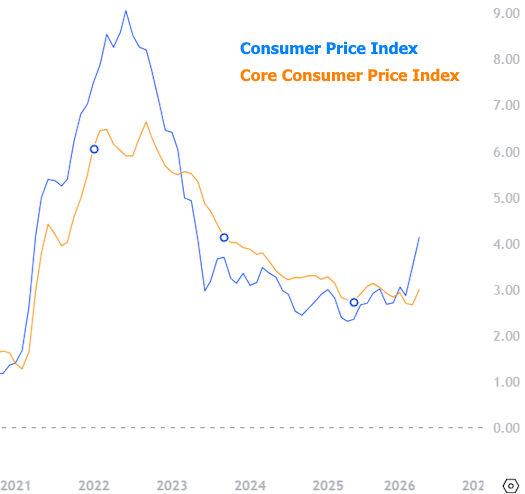
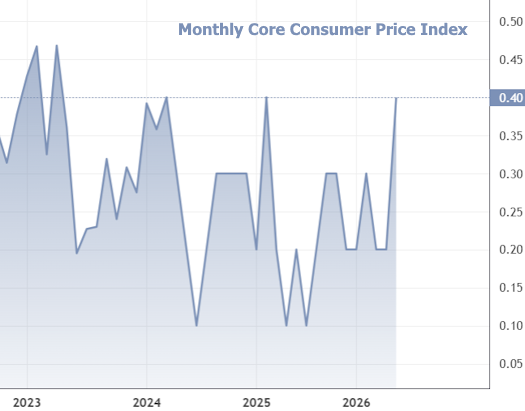
Fresh data out this week showed the inflationary impact of the war flowing through to the domestic economy. The Consumer Price Index (CPI) hit its highest level since 2023. Even if we focus on Core CPI (which excludes food and energy categories), annual inflation was the highest since 2025 and monthly inflation came in tied for the fastest pace since 2023.
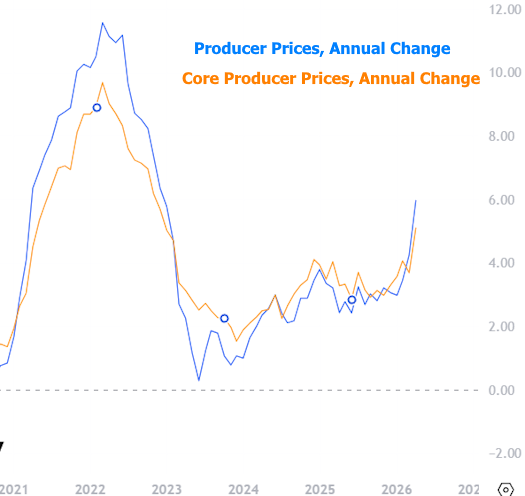
Wholesale level inflation was even worse according to the Producer Price Index (PPI), with the annual rate surging to 6.0%--the highest since late 2022. Core PPI was also the highest since 2022 at 5.2%.
But inflation data itself wasn't as big of a deal this week. The market pushed rates higher right when the war began because it expected these numbers to surge. In other words, the market infers inflation impact based on breaking developments.
On that note, Friday was the worst day we've seen since the start of the war. A certain portion of the trading community was hoping that this week's Trump/Xi summit would set the stage for a diplomatic shift that accelerated a peace deal with Iran. As soon as the summit ended without any news of the sort, the bond market immediately began moving higher in yield/rate.
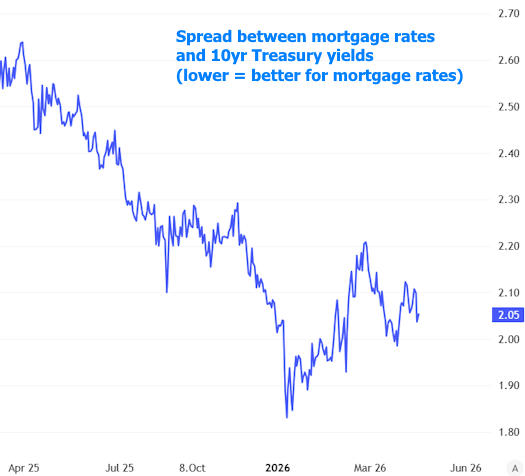
By the end of the day on Friday, 10yr Treasury yields were up more than 0.11% to the highest levels in a year. Mortgage rates "only" back to August levels thanks to increased bond buying on the part of Fannie and Freddie. These purchases of mortgage-backed securities have helped narrow the spread between mortgage rates and Treasury yields.
Looking ahead, the market will remain sensitive to war-related developments. Rates could certainly move back down if a peace deal is achieved soon, but as this week showed, they have no problem moving higher when hopes for a peace deal fade.