



Mortgage rates made it to their lowest levels in a month this week, once again getting a helping hand from trouble in the tech sector. The overall improvement was smaller than last week's, but Thursday offered another impressive example of how quickly concerns about AI-related growth can translate to lower borrowing costs for homebuyers.
Last week, we noted that rates could continue improving if tech jitters stuck around. They stuck around. More importantly, they began spreading beyond the handful of companies that initially got the market's attention.
With no major economic reports to settle any debates about growth or inflation, investors were left to decide how seriously to take those concerns. Thursday's answer was fairly emphatic. Disappointing earnings and outlooks from several big tech names helped fuel sharp losses in the NASDAQ. Bonds benefited, and the average mortgage lender dropped rates by 0.10%.
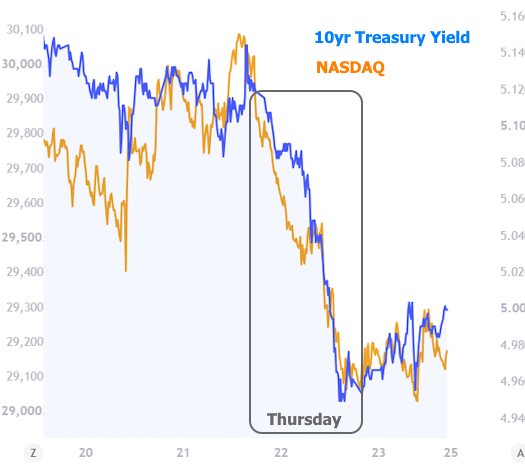
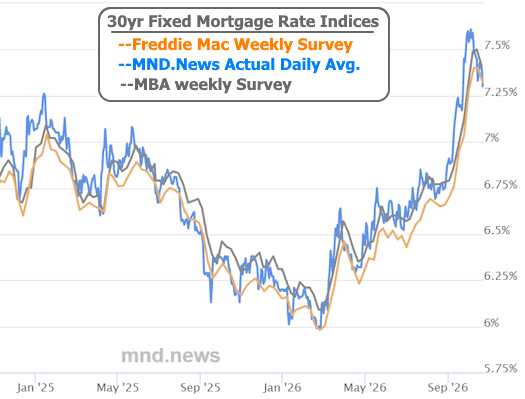
A modest bounce on Friday gave back 0.03% of that improvement, leaving rates 0.04% lower than last Friday and still very close to the best levels since September 23rd.
Why would trouble in tech help mortgage rates?
CoreWeave remains a useful example. Investors have been demanding much higher yields to hold the company's debt, reflecting concerns about the risks involved. At several points this week, the sharpest increases in CoreWeave's yields lined up with the strongest improvements in Treasuries.
That may sound contradictory. How can rising rates in one part of the bond market help rates fall elsewhere?
The answer has to do with what investors are worried about. If they're less comfortable lending money to companies tied to the AI boom, they can move money toward safer alternatives, including Treasuries and mortgage-backed bonds. More demand for those bonds puts downward pressure on the rates they help determine.
There's also a bigger economic question. The AI boom has involved enormous spending and borrowing. If that slows down, it could take some momentum out of the economy and ultimately ease inflation pressure. Less corporate borrowing would also mean fewer new bonds competing for investors' dollars.
None of that requires a slowdown to have already shown up in economic reports. Markets try to get ahead of those reports. Right now, traders are positioning for the risk that tech's problems have broader consequences.
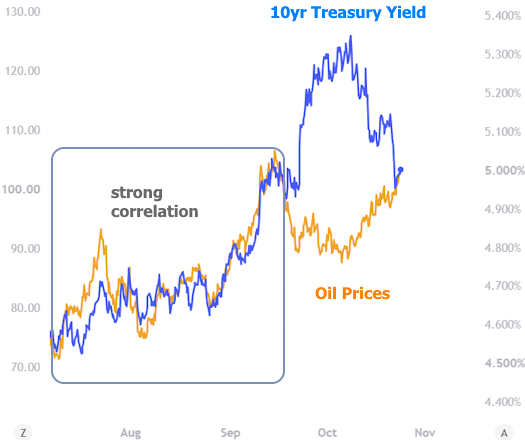
Oil, meanwhile, has largely faded into the background as a day-to-day driver of rates. Thursday was a good example: oil prices were higher even as bond yields fell sharply. Energy costs still matter for inflation, but they haven't been calling the shots in the bond market lately.
What does this mean for next week's Fed announcement?
Over the past 2 weeks, expectations have shifted decisively in favor of the Fed leaving rates unchanged. That's a meaningful change from the recent concern about another hike, and it fits with a market taking the risk of slower growth more seriously.
But an expected decision to hold steady wouldn't automatically send mortgage rates lower. Markets have already adjusted to that expectation. The bigger question is what the Fed says about the outlook and how that compares with what investors have come to expect.
If the Fed gives more weight to the risk of a slowdown, that could reinforce the thinking behind the recent improvement. If it keeps the focus squarely on stubborn inflation and the possibility of more hikes, rates could face renewed upward pressure.
Beyond the Fed, the durability of this rally still depends heavily on the durability of tech's troubles. If those concerns deepen and economic data begins confirming slower growth, rates would have more support. If tech sentiment recovers while growth and inflation remain firm, an important source of that support could disappear.
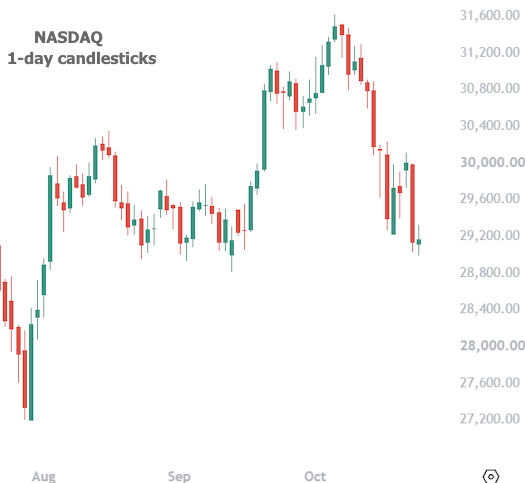
For now, borrowers have another week of improvement in hand. Whether it becomes a lasting trend depends on how much of the slowdown markets are worrying about actually materializes.